WiiM Bar Brings WiiM’s Control Freak Energy to Dolby Atmos
WiiM figured out something important before a lot of audio brands did: people like control when the control is actually useful.
Not control as in buried menus, mystery modes, and three remotes on the coffee table. Real control. App control. Presets. Multiroom grouping. Streaming that works without making the user feel like unpaid tech support.
Now WiiM is bringing that playbook to the soundbar aisle.
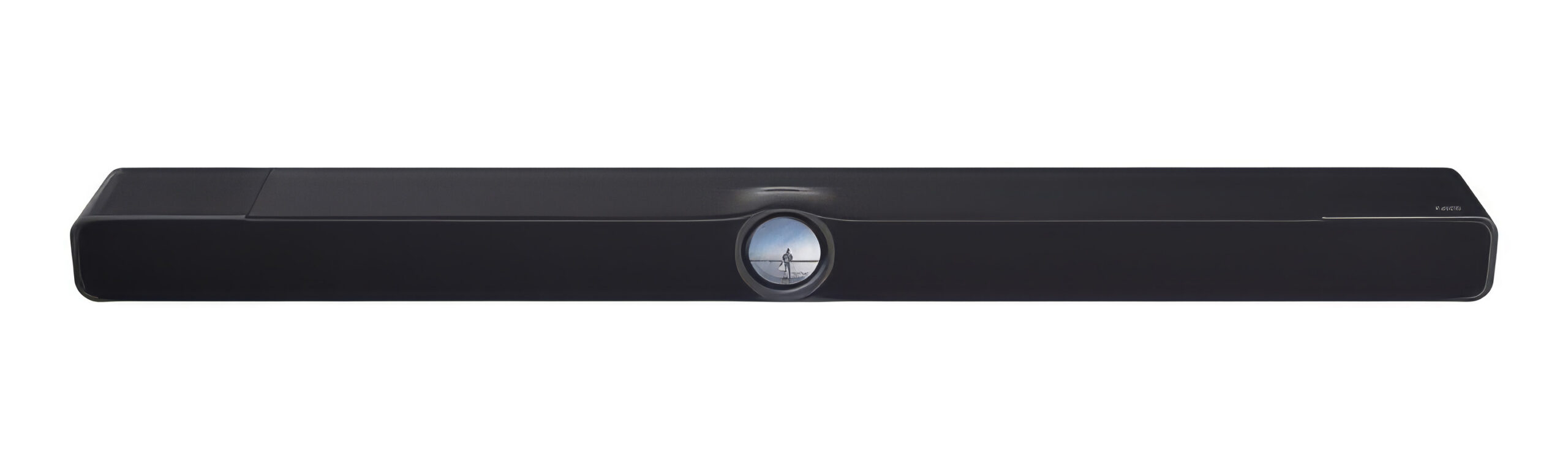
WiiM Bar is the company’s first Dolby Atmos soundbar, due in July 2026 for $479. It is a 3.0.2-channel bar with DTS:X support, HDMI eARC, RoomFit auto-correction, Wi-Fi 6E, Bluetooth 5.4, and expansion to a wireless 5.1.2 WiiM Home Theater system through compatible WiiM devices.
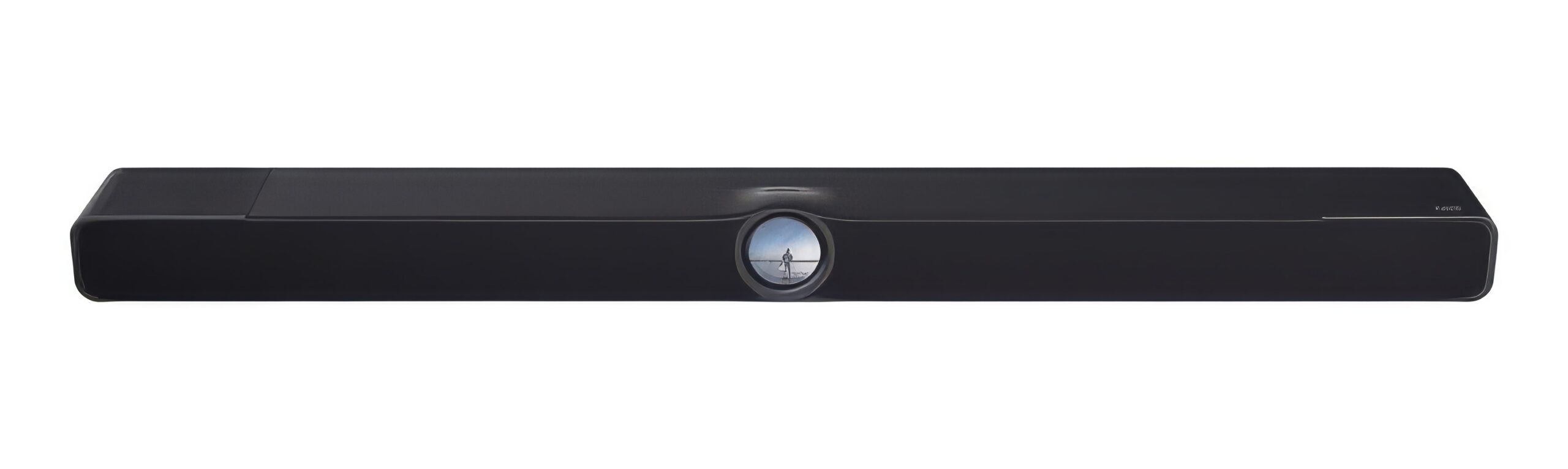
But the most WiiM thing about it is staring you in the face: a 2.1-inch round color touch display built into the front of the bar.
The Display Is the Hook
Most soundbars are black rectangles that ask you to trust a row of LEDs, an app screen, or the TV’s volume overlay. WiiM Bar goes the other direction. Its glass-covered round display can show album art, track info, EQ, Smart Presets, recently played content, clock faces, dynamic wallpapers, visualizations, and playback/source controls.
That sounds like a small thing until you think about how soundbars actually get used. They sit under a TV, often in the most visible spot in the room, then hide almost everything useful. WiiM’s move is not just cosmetic. It makes the bar more readable from across the room and more useful when the TV is off and the system is being used for music.
Of course, a screen does not make a soundbar good. It just makes it harder for the soundbar to feel anonymous.
The Bar Is the Product
Under the display, WiiM Bar is built as a 3.0.2 Dolby Atmos and DTS:X soundbar with 135 watts of system power. The driver array includes three front mid-woofers, three front tweeters, two top-firing full-range height drivers, and four passive radiators split front and rear.
That is a serious amount of hardware for a $479 bar, at least on paper. The front channels handle left, center, and right. The top-firing drivers chase height effects. The passive radiators are there to give the bar more low-end weight than its cabinet would otherwise suggest.
Still, physics remains undefeated. A 3.0.2 bar can create width, clarity, and some height impression, but it is not the same thing as discrete rear speakers and a real subwoofer. WiiM seems to know this, which is why the bigger promise is expansion.
The Bigger Play: WiiM Home Theater
WiiM says the Bar can start as a standalone 3.0.2 system and grow into a 5.1.2 WiiM Home Theater by grouping compatible WiiM devices for wireless surrounds and subwoofer support.
That is the most interesting part for AOAB readers. The budget soundbar category is full of compromises. Cheap bars are easy but limited. AVR-based systems are flexible but more expensive, more complex, and harder to sell to anyone who does not want speaker wire crossing the room. WiiM is aiming for the middle: a simple front-of-room product that can become more complete over time.
The catch is obvious. The full 5.1.2 experience depends on owning or adding the right WiiM gear. The $479 price buys the bar, not an entire theater. But if the wireless grouping works well, this could be a smart path for people who want Atmos, music streaming, and expansion without committing to a traditional receiver-based system.
Specs That Matter
| Feature | WiiM Bar |
|---|---|
| Price and availability | $479, July 2026 |
| Channels | 3.0.2, expandable to 5.1.2 |
| System power | 135W |
| Drivers | 3 front mid-woofers, 3 front tweeters, 2 top-firing height drivers, 4 passive radiators |
| Audio formats | LPCM, Dolby Atmos/TrueHD/DD+, AC3, DTS, DTS:X |
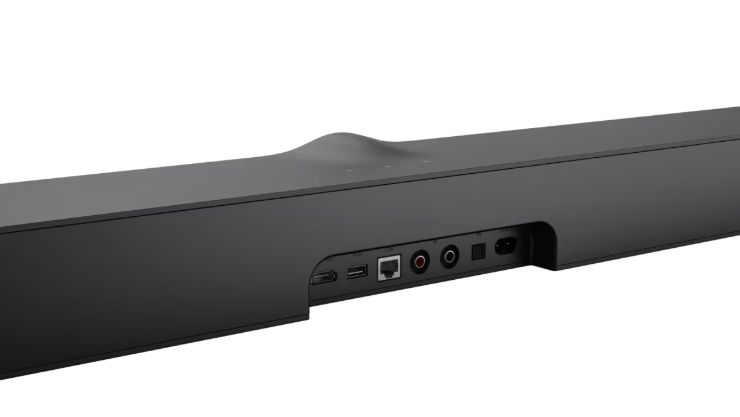
| Inputs | HDMI eARC, optical, line in, USB |
| Network and wireless | Wi-Fi 6E, Ethernet, Bluetooth 5.4 with LE Audio via software update |
| Room correction | RoomFit auto-correction |
| Display | 2.1-inch full-color LCD touch screen |
| Size and weight | 1060 x 105 x 74 mm; 5 kg / 11.02 lb |
So What?
WiiM is not just building a soundbar. It is turning the soundbar into another node in the WiiM ecosystem.
That matters because the company’s existing appeal has never been only about price. It is about making networked audio feel less annoying. WiiM Bar supports more than 20 streaming services through the WiiM Home App, plus Google Cast Audio, Spotify Connect, TIDAL Connect, Qobuz Connect, Amazon Music Cast, DLNA/UPnP, Qplay 3.0, LMS, and Roon. It also works with Alexa, Google Assistant, and the included Voice Remote 2 Lite.
That is a lot of control surfaces. The key is whether it feels coherent in daily use. If WiiM can make TV audio, music streaming, presets, room correction, and wireless expansion feel like one product instead of five features taped together, this bar gets interesting fast.
The AOAB Angle
At $479, WiiM Bar is not bargain-bin cheap. Good. Bargain-bin soundbars are often where clarity, dynamics, and app support go to die.
The better question is whether it can deliver enough performance and flexibility to become the foundation of a living-room system. A bar with HDMI eARC, Atmos, DTS:X, RoomFit, Wi-Fi 6E, Roon support, and wireless expansion is not just a TV speaker replacement. It is a lifestyle theater platform with a budget-audio price tag.
That phrase can sound dangerous. Lifestyle audio is where companies often trade performance for convenience and hope nobody notices. WiiM’s job is to avoid that trap. The Bar has to sound credible as a standalone product before the ecosystem story matters.
Bottom Line
WiiM Bar looks like a smart move. The display gives it personality. The 3.0.2 Atmos/DTS:X platform gives it home-theater relevance. RoomFit, Wi-Fi 6E, and the WiiM app give it the kind of control that has become the brand’s calling card.
I have not heard it, so this is not a verdict. But as a product announcement, it makes sense. WiiM is not trying to build the most expensive soundbar in the room. It is trying to build the one that feels the least like a compromise.
If the sound quality keeps up with the feature set, this could be one of the more interesting budget home-theater launches of 2026.